
DECK & FENCE CARE
Deck Staining Timing: When Bay Area Homeowners Should Restain
Published October 29, 2026 · By MRM Painting Team · 6 min read · Category: Deck & Fence Staining
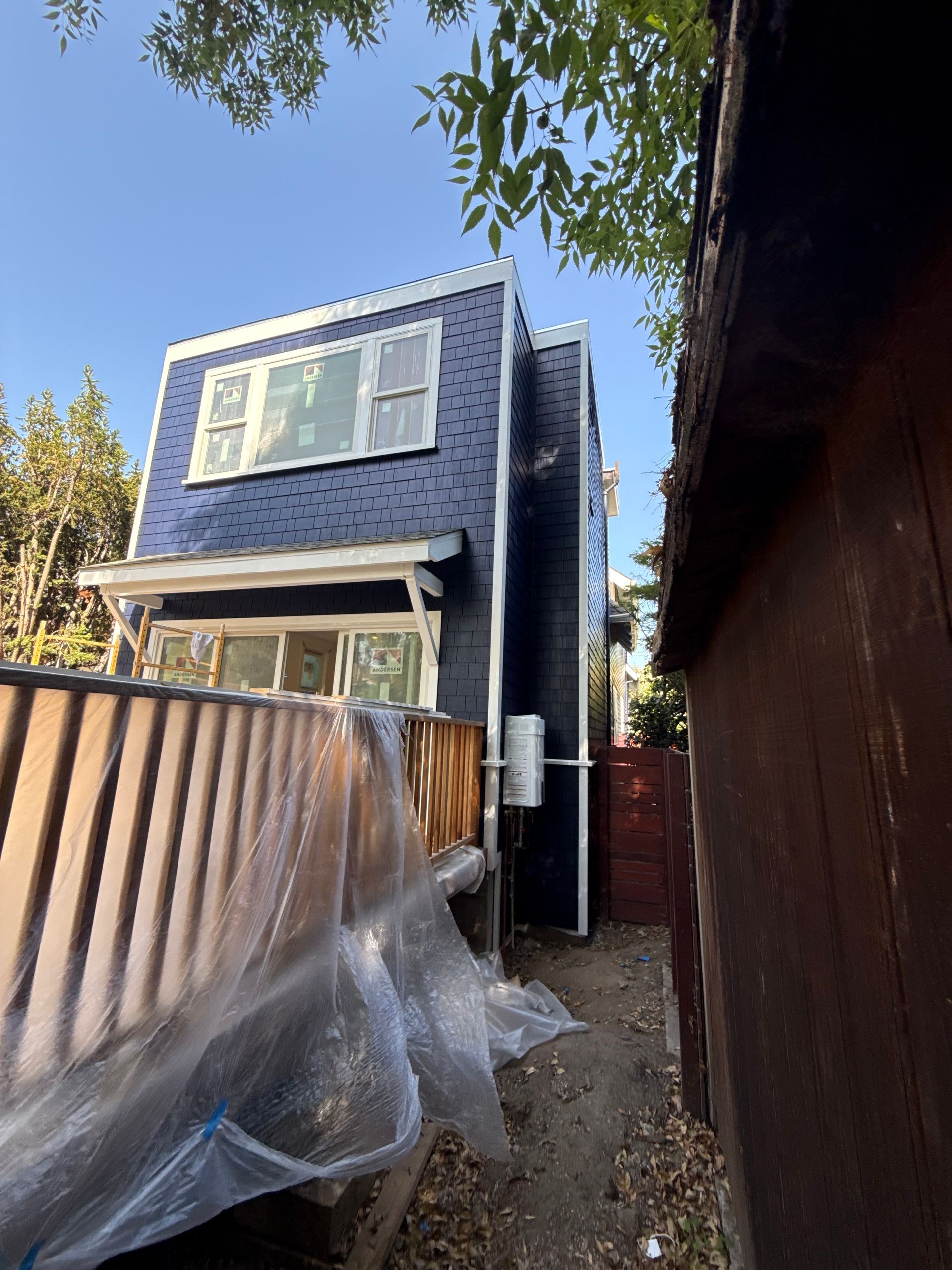
How often should you restain your deck or fence in the Bay Area? Most decks and fences here need restaining every two to three years. Coastal fog, direct sun exposure, and irrigation overspray can shorten or extend that window. This applies to any homeowner with an uncoated or previously stained exterior wood deck, fence, or railing. Knowing the signs and acting at the right time keeps a simple refresh from turning into a costly repair.
Why Bay Area Weather Affects Stain Lifespan
Coastal fog keeps wood damp for long stretches, especially in San Francisco and neighborhoods near the water. That moisture works into the grain, encourages mildew, and breaks down the bond between stain and wood. When the fog burns off, strong UV light follows and fades the pigment and dries out the surface. This cycle of damp mornings and bright afternoons wears exterior stain faster than the steadier, drier conditions found in many inland areas.
Placement matters too. Sun-facing fences and south-facing decks take the most UV and tend to fade sooner than shaded surfaces. Boards near planters or lawn sprinklers get repeated wetting from overspray, which can shorten the life of the finish in those spots. Walk your property and note which areas look worst, since those usually need attention first.
Signs Your Deck or Fence Needs Restaining
The signs are usually easy to see. Look for graying or faded color, especially on horizontal boards and top rails. Notice whether water still beads on the surface, or whether it soaks in and darkens the wood. Check for peeling or flaking finish, and run your hand along the boards to see if they feel rough or dry.
A quick water-bead test is an easy way to check at home. Sprinkle a little water on the wood. If it forms droplets, the finish is still protecting the boards. If it soaks in within a few minutes, the stain has worn thin and it is time to plan a restain.
What Happens If You Wait Too Long
Delaying restaining lets moisture and UV damage penetrate deeper into the wood grain. Over time that leads to cracking, warping, and eventually rot. Once boards reach that point, a simple refresh is no longer enough, and you may need board replacement before any stain can go on. Restaining on schedule is almost always the lower-cost path compared to repairing neglected wood.
Preparing Your Deck or Fence Before Restaining
Preparation decides how long the new stain lasts. The surface needs a thorough clean to remove dirt, mildew, and old flaking finish. Stain applied over grime or loose coating will not bond properly and will fail early. For a large deck or fence, professional power washing is often the fastest way to get the wood clean and ready. After the wood dries fully, it can be sanded where needed and stained evenly.
According to wood-care guidance from a university extension service, exterior wood should be clean and dry before any finish is applied, and regular maintenance extends its service life. If you would rather hand off the work, our deck and fence staining services cover cleaning, prep, and staining for Bay Area homes.
Written by the MRM Painting Team [placeholder byline until a real author name and photo are supplied]
The MRM Painting Team shares practical guidance on exterior painting, staining, and maintenance for homeowners and businesses across the San Francisco Bay Area.
KEEP READING
More from the blog: Browse all posts on the MRM Painting blog
Ready to Protect Your Deck or Fence?
If your deck or fence is showing signs of fading, peeling, or dryness, MRM Painting Inc can assess it and recommend the right staining schedule for your property.